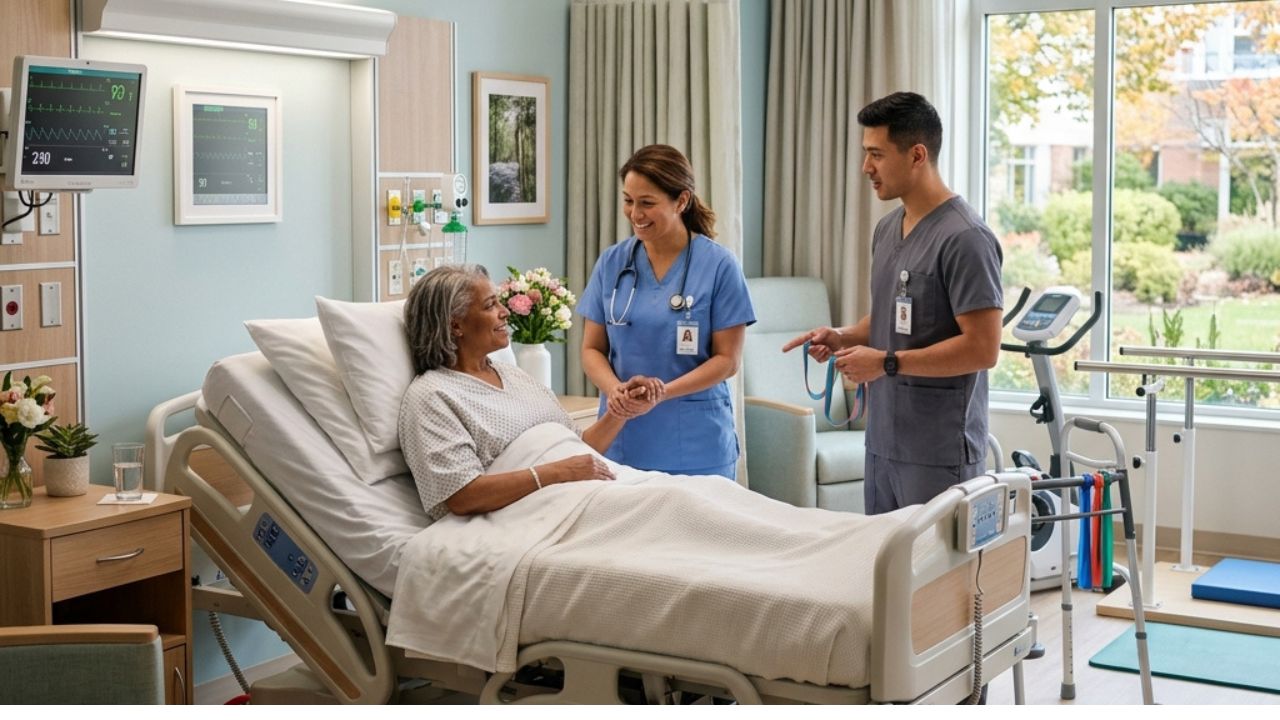
The best hospitals for post-surgery care in the USA include the Mayo Clinic, Cleveland Clinic, and specialized rehabilitation centers like the Shirley Ryan AbilityLab. These top-tier facilities offer integrated care plans, low patient-to-staff ratios, and advanced therapies. Choose an inpatient rehabilitation center if you require intensive, 24/7 medical supervision following complex surgeries.
The success of a surgical procedure does not end when you leave the operating room. A critical phase begins immediately after: post-surgery care and rehabilitation. The quality of your recovery environment heavily influences how quickly you regain mobility, manage pain, and return to your daily life.
Navigating the healthcare system to find the best hospitals for post-surgery care in the United States requires understanding your specific medical needs and knowing what resources are available. Top-tier facilities focus heavily on personalized recovery protocols, utilizing a team of specialized nurses, physical therapists, and pain management experts.
This guide will help you identify the top hospitals and rehabilitation centers across the country. You will learn the key factors that define excellent post-surgery care, how to evaluate specialized recovery programs, and what steps you can take to prepare yourself financially and physically for the rehabilitation process.
What is comprehensive post-surgery care?
Post-surgery care encompasses all medical and therapeutic support a patient receives after a surgical procedure. Quality post-surgery care is paramount for a successful recovery because it prevents complications such as infections, blood clots, and muscle atrophy.
There are several distinct types of post-surgery care facilities:
- Inpatient Rehabilitation Centers: These centers provide intensive, round-the-clock medical and therapeutic care for patients recovering from severe trauma, neurological surgeries, or major orthopedic procedures.
- Skilled Nursing Facilities (SNFs): SNFs offer transitional care for patients who no longer need acute hospital care but still require daily nursing assistance and moderate rehabilitation before returning home.
- Outpatient Care: Outpatient facilities serve patients who are well enough to live at home but need to attend scheduled physical or occupational therapy sessions.
Choose an inpatient rehabilitation center if continuous medical monitoring matters more than returning home quickly. Choose outpatient care if your surgery was minimally invasive and you have a strong support system at home.
How to choose the best post-surgery care facility?
Selecting the right hospital or rehabilitation center directly impacts your recovery timeline. You should evaluate facilities based on several critical criteria.
What accreditations and certifications matter most?
Look for facilities accredited by the Joint Commission on Accreditation of Healthcare Organizations (JCAHO) or the Commission on Accreditation of Rehabilitation Facilities (CARF). CARF accreditation specifically indicates that a facility meets rigorous international standards for rehabilitation programs. Furthermore, disease-specific certifications (like a specialized stroke rehabilitation certification) prove that the hospital follows evidence-based clinical practice guidelines.
How does staff expertise and patient-to-staff ratio affect recovery?
Your recovery team should include board-certified surgeons, specialized nurses, physical therapists, occupational therapists, and pain management specialists. A low patient-to-staff ratio guarantees that healthcare providers can dedicate adequate time to your personalized care plan. High staff availability directly correlates with faster response times to pain management requests and mobility assistance.
Why are integrated care plans essential?
Integrated care plans ensure seamless communication among all your healthcare providers. When your surgeon, physical therapist, and primary care physician collaborate, they reduce the risk of conflicting treatments and medication errors. Facilities with robust electronic health record (EHR) systems facilitate this coordinated approach efficiently.
How should patients evaluate technology, outcomes, and location?
Advanced rehabilitation equipment, such as robotic-assisted gait training and specialized pain management technologies, can accelerate healing. Always review a hospital’s patient outcomes, success rates, and patient satisfaction scores. Finally, consider location and accessibility. A facility located near your home makes it much easier for family members to visit and provide essential emotional support.
Which US hospitals and rehab centers offer the best post-surgery care?
Various organizations rank hospitals based on patient outcomes, safety records, and specialized programs. Based on consistent high rankings from sources like US News & World Report [US News, 2023], several institutions stand out.
What are the top general hospitals with excellent post-surgery programs?
General hospitals with specialized post-surgery wings often provide a seamless transition from the operating room to the recovery suite.
- Mayo Clinic (Rochester, MN): The Mayo Clinic consistently ranks as the top hospital in the country. It is renowned for its highly integrated care model, where multidisciplinary teams manage a patient’s recovery from complex procedures like organ transplants and cardiac surgeries.
- Cleveland Clinic (Cleveland, OH): The Cleveland Clinic is a global leader in cardiac surgery recovery. They utilize innovative approaches to pain management and offer dedicated cardiac rehabilitation facilities that significantly improve long-term patient survival rates.
- Johns Hopkins Hospital (Baltimore, MD): Johns Hopkins excels in specialized post-surgery programs, particularly for oncology and neurosurgery patients. They integrate clinical trials and the latest therapeutic techniques directly into patient recovery plans.
What are the leading dedicated rehabilitation centers in the USA?
Dedicated rehabilitation centers focus entirely on restoring function and mobility.
- Shirley Ryan AbilityLab (Chicago, IL): The Shirley Ryan AbilityLab is widely considered the best rehabilitation hospital in the United States. It integrates translational research directly into clinical care, offering specialized therapies for spinal cord injuries, stroke recovery, and traumatic brain injuries.
- Spaulding Rehabilitation Hospital (Boston, MA): Spaulding Rehabilitation Hospital provides a holistic approach to recovery. They emphasize patient education and family involvement, offering specialized pediatric post-surgery care and robust programs for orthopedic recovery.
- TIRR Memorial Hermann (Houston, TX): TIRR Memorial Hermann focuses intensely on neurological and spinal cord injury recovery. Their patient success stories highlight their advanced use of robotic therapies and comprehensive psychological support programs.
What are the specialized post-surgery care considerations?
Different surgeries demand entirely different rehabilitation protocols.
How does orthopedic surgery recovery differ from cardiac recovery?
Orthopedic surgery recovery, such as joint replacement or spinal surgery, focuses heavily on early mobilization, weight-bearing exercises, and pain management to restore joint function. In contrast, cardiac surgery recovery requires structured cardiac rehabilitation programs. Cardiac rehab emphasizes monitored cardiovascular exercise, heart-healthy nutritional counseling, and stress management to strengthen the heart muscle safely.
What is required for neurological and cancer surgery recovery?
Neurological surgery recovery (including stroke rehabilitation and brain injury recovery) demands a highly specialized team of speech-language pathologists, neuropsychologists, and occupational therapists to help patients relearn basic cognitive and motor skills. Cancer surgery recovery often involves oncology rehabilitation and palliative care. Oncology rehab focuses on managing cancer-related fatigue, lymphedema management, and rebuilding physical endurance during ongoing cancer treatments.
How should parents approach pediatric post-surgery care?
Pediatric post-surgery care requires child-friendly environments that reduce anxiety. Specialized pediatric therapists use play-based therapy to encourage movement and compliance with recovery exercises, ensuring the child’s developmental milestones are supported during rehabilitation.
How do you navigate insurance and costs for rehab?
Understanding your health insurance coverage is a vital step before committing to a post-surgery care facility.
Medicare typically covers acute inpatient rehabilitation if a doctor certifies that you need intensive rehabilitation, continued medical supervision, and coordinated care. Medicaid coverage varies significantly by state but generally covers essential nursing facility services. Private insurance policies have specific networks, and choosing an out-of-network rehabilitation center can result in massive out-of-pocket expenses.
Always calculate potential out-of-pocket expenses, including deductibles, co-pays, and uncovered services (such as private rooms or specific experimental therapies). If costs are prohibitive, speak with the hospital’s financial counselor. Many hospitals offer financial assistance programs, and various non-profit organizations provide grants to help cover the costs of prolonged rehabilitation.
How should you prepare for post-surgery recovery?
Preparation before your surgery dictates how smoothly your recovery will go.
Begin with pre-surgery planning by discussing the anticipated post-op care timeline with your surgeon. Ask specific questions about expected mobility limitations and pain levels. Next, execute necessary home preparations. Install safety modifications such as grab bars in the bathroom, remove tripping hazards like loose rugs, and set up a recovery space on the ground floor to avoid stairs.
Establish your support systems early. Define caregiver roles with family members or hire professional home health aides for the first few weeks. Finally, prioritize your mental and emotional well-being. Set realistic expectations for your recovery timeline and develop coping strategies, such as mindfulness or speaking with a counselor, to manage the frustration that often accompanies physical limitations.
What is the future of post-surgery care?
The landscape of post-surgery recovery is shifting rapidly due to technological advancements.
Telemedicine and remote monitoring are expanding access to care. Patients can now conduct follow-up appointments and guided physical therapy sessions from their living rooms, reducing the need to travel while in pain. Artificial Intelligence (AI) and predictive analytics are allowing hospitals to personalize recovery pathways. AI systems analyze vast amounts of patient data to predict which patients are at high risk for complications, allowing doctors to intervene earlier. Furthermore, wearable technology provides real-time progress tracking. Smartwatches and specialized biosensors monitor heart rate, activity levels, and oxygen saturation, transmitting this data directly to the patient’s care team.
Taking control of your recovery journey
Choosing the right facility for post-surgery care is a critical decision that requires thorough research and clear communication with your medical team. Prioritize hospitals and rehabilitation centers that offer specialized programs, low patient-to-staff ratios, and proven patient outcomes.
By understanding your insurance coverage, preparing your home environment, and leveraging the expertise of top-tier medical professionals, you empower yourself to achieve the best possible outcome. Take an active role in your rehabilitation. Ask questions, demand coordinated care, and focus on your daily progress.
Frequently Asked Questions (FAQ)
How long does a typical stay at an inpatient rehabilitation center last?
The length of stay depends entirely on the surgery type and the patient’s progress. Joint replacement patients may stay for 1 to 2 weeks, while patients recovering from severe neurological surgeries or spinal cord injuries may require 3 to 6 weeks of intensive inpatient care.
Does Medicare cover the cost of a skilled nursing facility after surgery?
Medicare Part A covers up to 100 days in a skilled nursing facility per benefit period, provided you had a qualifying inpatient hospital stay of at least three consecutive days and your doctor mandates daily skilled care.
What is the difference between physical therapy and occupational therapy in post-surgery care?
Physical therapy focuses on improving mobility, strength, and managing pain in the affected area (e.g., learning to walk after knee surgery). Occupational therapy focuses on helping the patient perform activities of daily living (ADLs), such as dressing, bathing, and eating safely during recovery.
How do I know if I need inpatient rehab or outpatient therapy?
Your surgical team will evaluate your physical capabilities and medical stability before discharge. If you require 24-hour medical supervision and can tolerate at least three hours of intensive therapy daily, inpatient rehab is recommended. If you are medically stable and have support at home, outpatient therapy is usually the better option.
Are there alternatives to staying in a rehabilitation hospital?
Yes. If you are medically stable but cannot travel for outpatient therapy, home health care is a viable alternative. Home health agencies dispatch nurses, physical therapists, and occupational therapists directly to your home to administer post-surgery care.